Yeah baby, we going "down there!"
Jennifer Brennan | OCT 18, 2022
pelvic floor
pelvic health
pelvis
massage and yoga
Yeah baby, we going "down there!"
Jennifer Brennan | OCT 18, 2022
Pack a bag, grab a flashlight, and let's take a journey down to the pelvic floor.
If you're scrunching your eyebrows and asking, "the pelvic what-a-what??" you are not alone.
The pelvic floor is NOT the darkest, deepest level of some horror-movie parking garage.
The pelvic floor IS something every human has and yet, so few know about theirs intimately.
Why? In part because there's often a lot of shame associated with talking about our "private parts."
And, this is just my opinion (take or leave), our education and medical systems are such a hot, smokin' mess it's a wonder any of us know our arms from our legs let alone all the mysterious goodness of our pelvis.
So what IS the pelvic floor, really? Here's the quick and not-so-dirty:
What's my fascination with the pelvic floor?
My own life-long experiences with pelvic trauma and pelvic floor dysfunction.
I'll spare you all the gory details and offer just the highlights:
My pelvis has been through a lot, to say the least.
I bet yours has too.
Over the last year, I've noticed shifts in my own pelvic health. I decided to do something about it. I joined Pelvic Health Professionals, a world-wide group of yoga teachers, PTs, massage therapists, physicians, acupuncturists, and other healers who are passionate about understanding and treating pelvic pain and dysfunction.
I recently found a pelvic floor physical therapist I really like. We had our first session last week and it "poked the sleeping bear." She diagnosed issues I did not know I had and confirmed intuitive knowing I had felt for years. I left feeling hopeful and profoundly emotional. I had a huge cry 2 days after the appointment, releasing a whole lot of sorrow that had been hibernating in my lower body. Hard work? Yes. Worthwhile? Definitely. I truly cannot wait to see how good I'll feel!
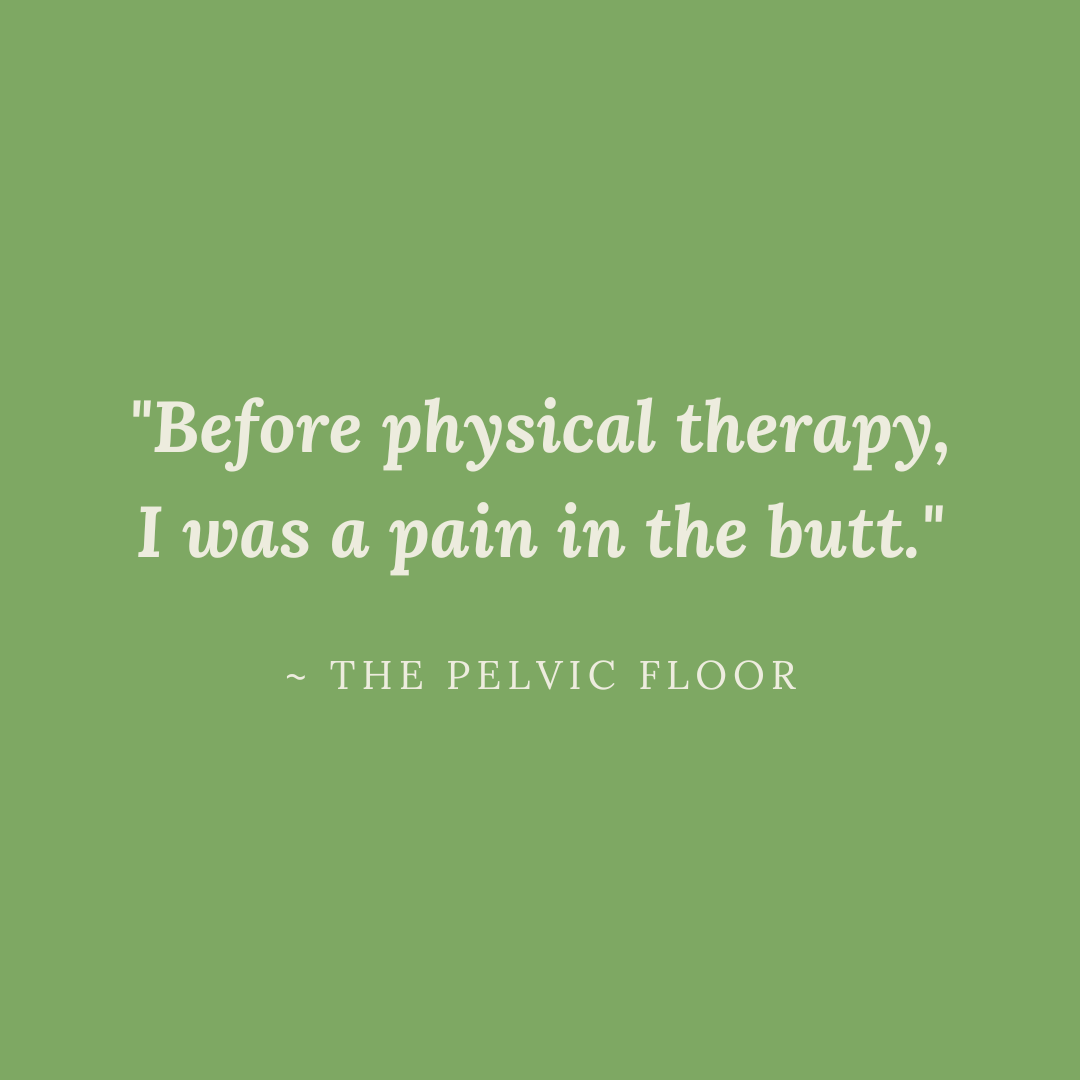
By now, you may be wondering if your pelvis needs a little TLC of the PT kind.
While not a complete list, you may benefit from pelvic floor physical therapy if you:
It is outside my scope of practice as a massage therapist to provide any internal pelvic floor touch.
However, massage therapy and yoga that invite muscle relaxation around the pelvis, gentle range-of-motion, and diaphragmatic breathing exercises can work in beautiful partnership with internal pelvic floor physical therapy.
Getting down with my pelvic health,
Jennifer (she/her)
Jennifer Brennan | OCT 18, 2022
Share this blog post