weird pain in menopause? here’s a why.
Jennifer Brennan | JUN 25, 2025
weird pain in menopause? here’s a why.
Jennifer Brennan | JUN 25, 2025
I have not kept a tally of all the bodies I’ve touched in my massage therapy career. I sometimes wish I had.
But, I’m often aware of trends in symptoms my clients report when we chat before they hop on the table.
Maybe it’s because I am a post-menopausal woman who has navigated unusual joint pain and muscle mass loss along with brain fog, mood swings, the appearance of visceral body fat, and sleep disruption, but my ears perk up when my 40-55+ year old female and nonbinary clients “all the sudden” have bilateral knee pain or frozen shoulder or wonky joint issues without any acute injury or change in daily routines.
For millennia, women have been told that their symptoms are “all in their heads” or “a normal part of the aging process so deal with it” and I’m just DONE with this narrative!
Fortunately, a growing number of medical professionals who give a crap about the half of the population that will go through menopause are starting to dive beneath the surface to explain WHY this transition is so challenging and, at times, physically painful.
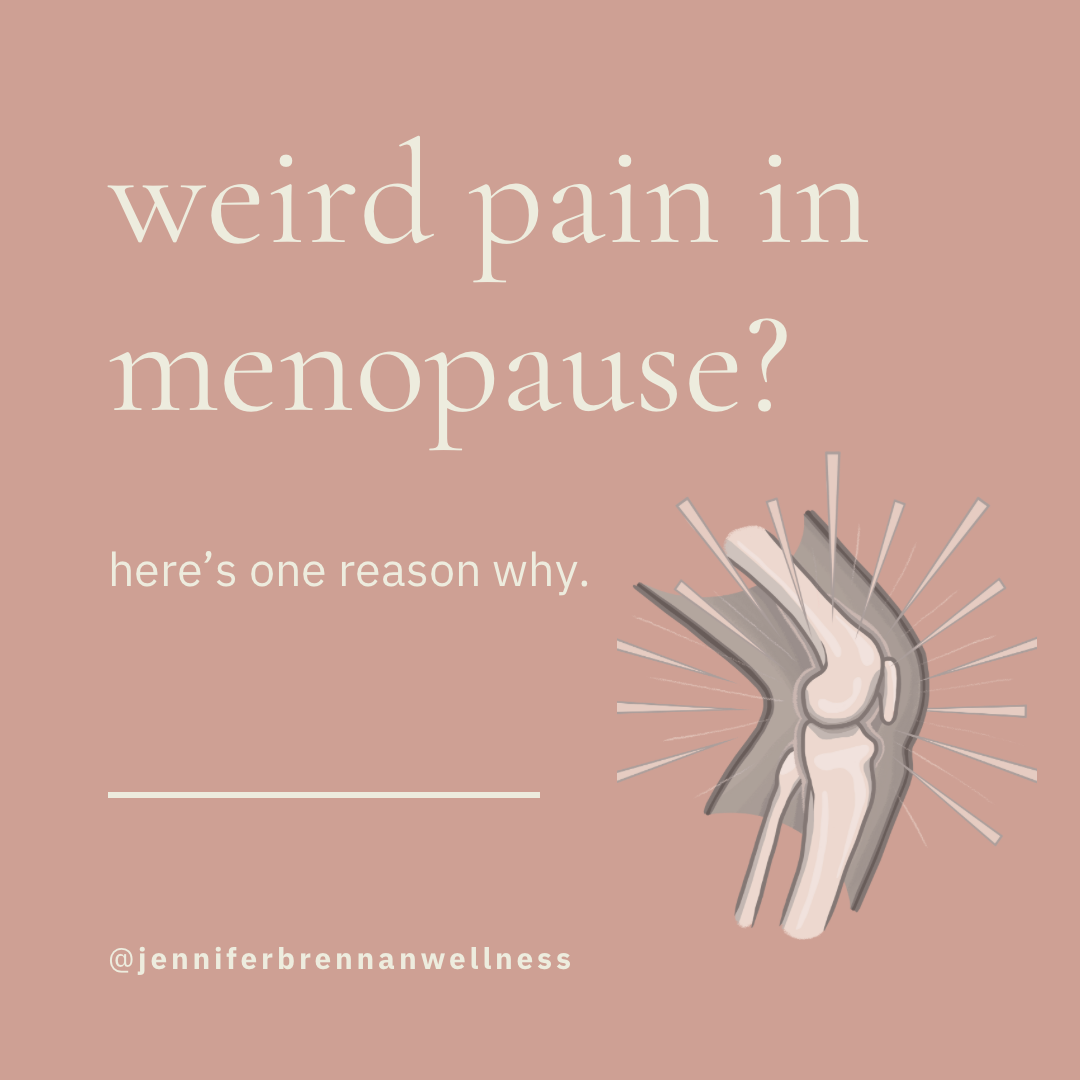
Dr. Vonda Wright is an orthopedic surgeon on a passion crusade to research and treat what she and a research team have coined the musculoskeletal syndrome of menopause. In 2024, she and a team published an article describing the syndrome and linking it in large part to estrogen depletion that happens during perimenopause and through the menopause transition. It’s worth a read.
In case you’re unaware, estrogen is a key player in functions well beyond those of the reproductive system.
Estrogen helps maintain bone density and strength. It plays a role in cardiovascular health, impacting cholesterol levels and blood flow. Estrogen helps with brain and cognitive function, memory, and mood regulation. It also has an influence on the elasticity of skin, collagen production, and hair growth.
When estrogen begins declining during perimenopause, many women begin noticing changes in every system of their bodies! It’s maddening and at times debilitating.
Dr. Wright’s research has been eye-opening for me. I now have a better understanding of my own muscle loss and joint pain and I have profound insight as to why so many of my middle aged clients are also suffering.
For me, “the change” and all its cray-cray symptoms have been tamed with an assortment of body and lifestyle changes. Here’s a couple things I now prioritize to keep myself right as cooling rain on a sweltering day:
These interventions have helped me feel better in my body and I now live with a lot less pain, stiffness, and fatigue. Maybe my insights will help you or a woman you love, too?
Wishing you all comfort in your bodies, with an extra sprinkle of well wishes to my fellow travelers on the “WTF is this?” journey to the proverbial “other side of the fence,”
Jen
Jennifer Brennan | JUN 25, 2025
Share this blog post